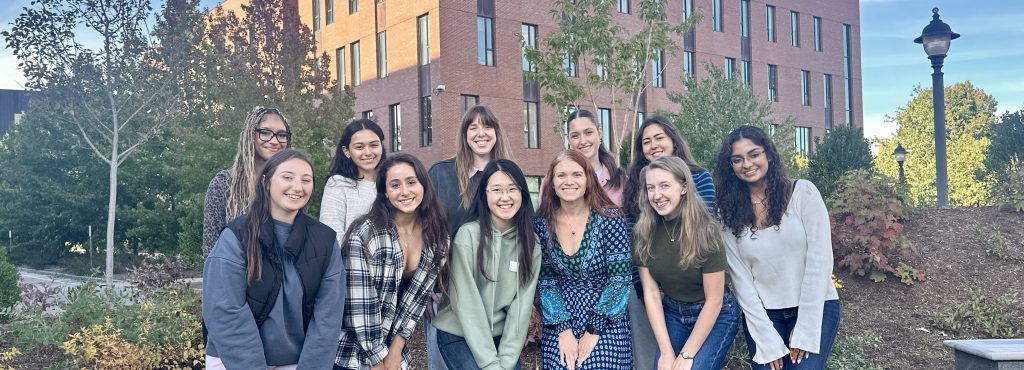
Interested in Cognitive Development Research?
The CAP Lab is looking for motivated graduate and undergraduate students to participate in all aspects of research! Our lab welcomes enthusiastic students who want to join us in the investigation of cognitive development and corresponding brain-behavior associations. We seek students who are hardworking, outgoing, and excited to interact with children and their families. If you would be more comfortable working “behind the scenes,” especially with psychophysiological data, we offer these types of opportunities as well. Any prior experience in research or working with children and parents is a plus!
Our lab is a busy one! As a new lab member, you will be trained in one or more of the following areas:
- Community Outreach
- Data Collection
- Data Entry
- Data Coding (behavioral or psychophysiological)
- Sibling Monitoring
- Data Analysis and Interpretation
- Literature Searches
Interested in joining our lab?
See below for more information. Our EEG lab is located on the UConn Waterbury Campus and our satellite (behavioral/coding) laboratory is on the Storrs Campus.
Undergraduate Students
What do undergraduate research assistants do?
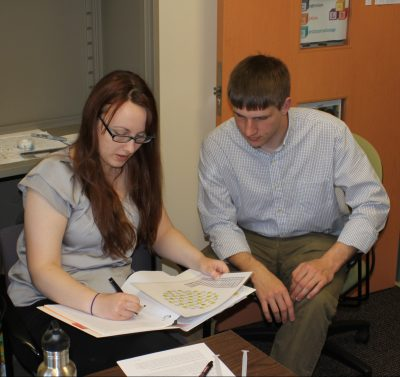
As an undergraduate research assistant (RA), you will be trained in one or more of the following areas: community outreach, data collection, data coding (behavioral or psychophysiological), data entry, sibling monitoring, data analysis and interpretation, literature searches. Lab members have the opportunity to work infants, toddlers, & preschoolers. You can also be involved in other aspects of the scientific process, such as conference presentations and research awards/proposals.
There are multiple ways to get involved:
PSYC 3889: UNDERGRADUATE RESEARCH (3+ credits)
You can obtain a wide variety of “hands-on” research experiences by assisting the CAP Lab in planning, conducting, and analyzing research. Because of the extensive training required for developmental and neuroscience research, you should expect to devote at least 9 hours per week (3 credits) to completing research. (Recommended preparation: PSYC 2100WQ; Up to 3 credits of 3889 may be used on the Plan of Study for PSYC Majors or Minors; all credits count toward graduation)
Advanced UConn Student Opportunities
- PSYC 3899: INDEPENDENT STUDY
- Social Sciences, Humanities, and Arts Research Experience (SHARE) Awards
- OUR Travel Award
- Summer Undergraduate Research Fund (SURF) Awards
Work-Study Research Assistant Program
Are you are an undergraduate student with a federal work-study award? Would you be interested in assisting with CAP Lab research for your work-study employment? If so, then please apply for a CAP Lab position via the Work-Study Research Assistant Program.
Summer Research Internships
Outstanding and motivated undergraduates from all colleges/universities are encouraged to apply for our 10 week (200 hr) summer internship program. This competitive program presents a unique opportunity to work in the CAP Lab; to gain exposure to developmental, behavioral, and cognitive neuroscience methods and experimental paradigms; and to participate in weekly research meetings. You can receive course credit from UConn or your home institution.
If you are interested in joining the lab, please complete the following questionnaire!
Graduate Students
What are the fundamental building blocks of early cognition?
Our lab is looking for enthusiastic, bright new graduate students who want to join us in investigating the development of basic and higher-order cognitive skills during infancy and early childhood. We use neuroscience and biopsychological perspectives, emphasizing cross-species connections.
Our primary research interests fall into three main themes:
(1) Experimental investigation of early learning and memory
(2) Longitudinal and individual difference analysis of emerging executive functions
(3) Neuroscience foundations of socio-cognitive development
Who is an ideal candidate?
Ideal candidates are students who are interested in studying cognition, working with children, and have research experience with infants and/or young children.
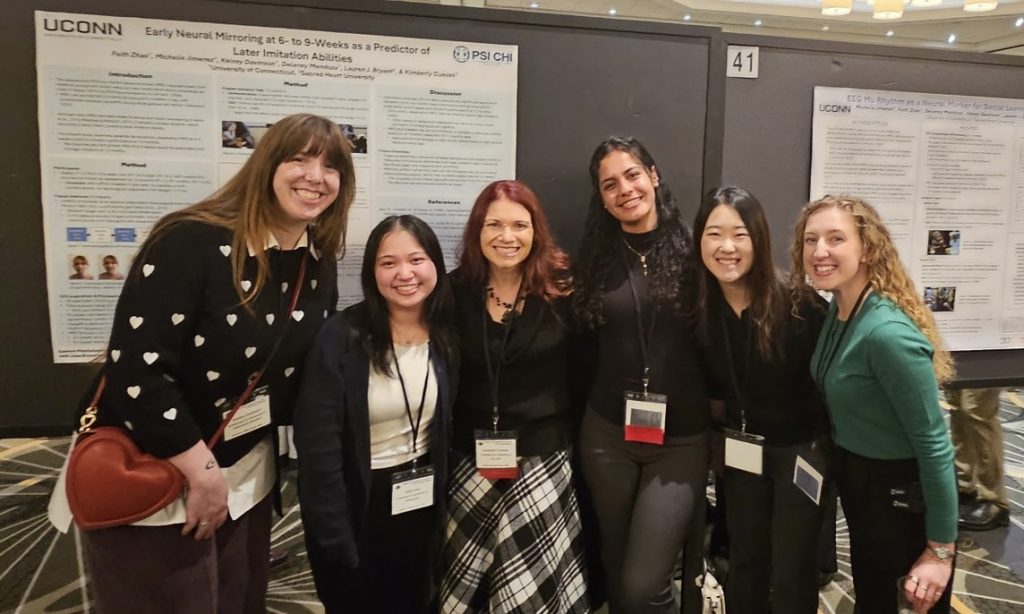
Students will be actively involved in all aspects of the research process from study design and grant proposals to data collection, coding, analysis, and dissemination. There are opportunities for students to contribute to ongoing projects and co-author research publications. We attend and present our findings at regional, national, and international conferences each year (EPA, FIT’NG, ISDP, ICIS, SRCD).
Dr. Cuevas will not be considering new PhD students for Fall 2026.
If you are interested in doctoral study in the field of Developmental Psychology in general or Developmental Cognitive Neuroscience in particular, please look at the UConn Developmental Psychology PhD program. Our program is committed to training students as research-oriented psychologists. Your graduate research in cognitive development will be complimented by a strong graduate training program.